Robotic Soft Serve Kiosk Company: 3 Partnership Models Compared
When you work with a robotic soft serve kiosk company, you are not just buying a machine — you are choosing a business model. The same kiosk can cost you nothing, a little, or everything, depending on how the company structures the partnership.
This guide compares the three models used in the U.S. market today, shows what changes between them, and gives you a checklist to evaluate any company before you sign.
The three partnership models
Model 1 — Buy the machine outright
How it works: you purchase the kiosk and keep 100% of the revenue.
Best for: operators who already have a location, want full control, and can handle maintenance or buy a service plan.
Trade-offs: the largest capital outlay; you own the asset, the risk, and the upside.
Model 2 — Host a kiosk with zero capital outlay
How it works: the company provides, operates, and maintains the machine; the venue supplies space and power; revenue is shared.
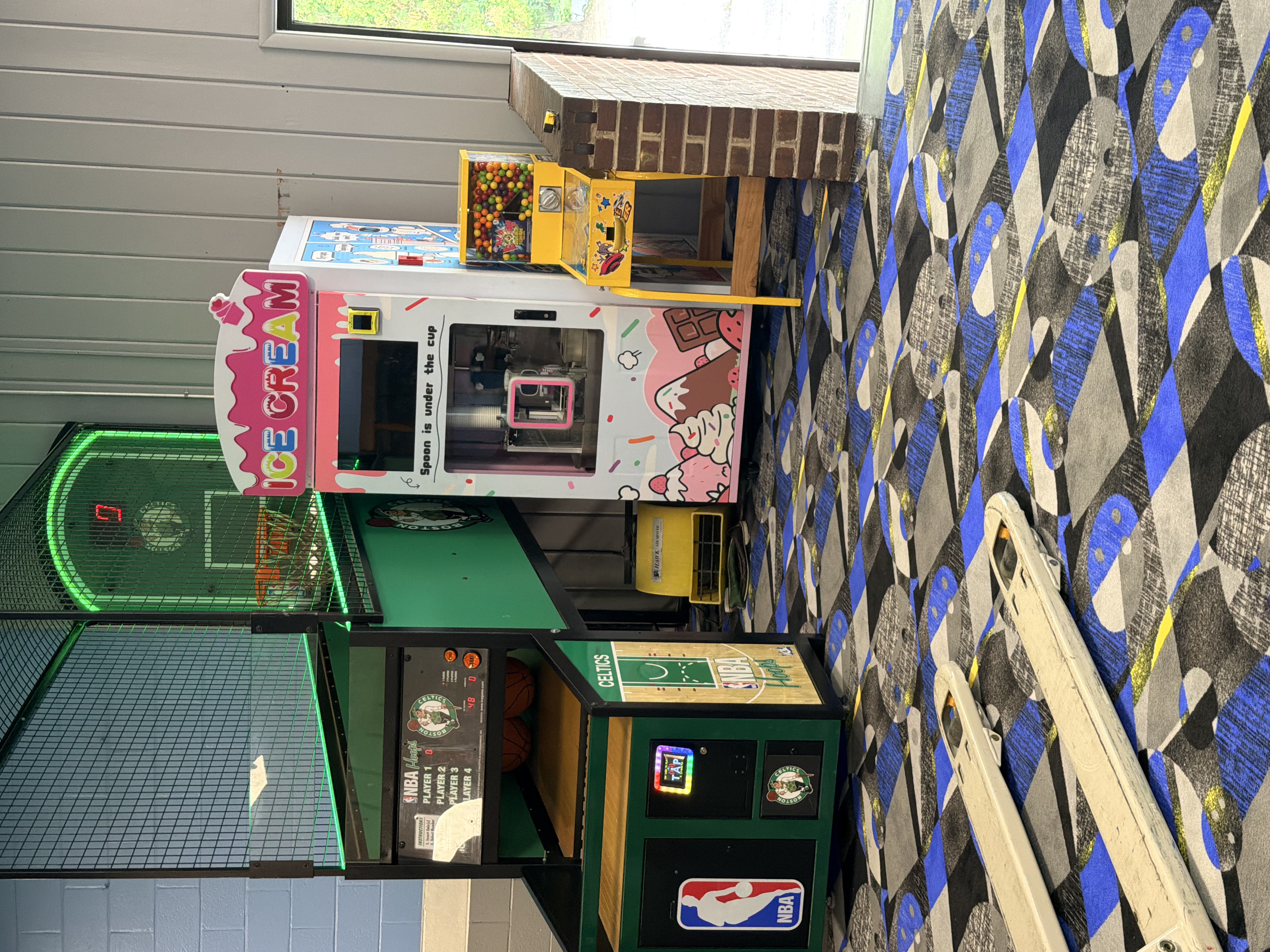
Best for: restaurants, playgrounds, bowling alleys, and other venues that want a new revenue stream with no investment and no operational work.
Trade-offs: you share the revenue instead of keeping it all; the split is the price of zero risk and zero labor.
Model 3 — Base rent plus revenue share
How it works: the venue receives a predictable base rent on top of a lower revenue share.
Best for: venues that want stable monthly income and are less comfortable with a pure performance split.
Trade-offs: more predictable, but the ceiling is lower — the company funds the higher guarantee through a smaller share.
What changes between the models
Capital: purchase means a five-figure outlay; hosting and rent-plus-share mean $0 upfront.
Revenue: purchase keeps 100%; hosting shares up to 50% to the venue (in the Kiddie Kustoms Sweets model); rent-plus-share trades a lower share for a guaranteed base.
Responsibility: purchase puts install, cleaning, restocking, and repairs on you or a paid service; hosting puts them all on the company.
Risk: hosting transfers traffic risk to the company — you earn only when the machine earns.
Exit: a purchased machine can be sold; hosted agreements should spell out termination terms in writing.
How to evaluate a robotic soft serve kiosk company: 10 questions
Who actually builds the machine, and does the company hold the patents?
What is the exact service response time in my area, and who performs repairs?
What is included: delivery, install, training, warranty, software, and spare parts?
Are there recurring costs — software fees, telemetry, supplies — and what do they total monthly?
Can I visit a live deployment or call an existing partner?
What are the revenue-share terms, and how is revenue reported and verified?
What happens if the machine is down — who loses revenue, and how fast is it fixed?
What are the exit terms: can I end the agreement, sell the machine, or cancel cleanly?
Is the business model transparent in writing, with no hidden fees or mandated suppliers?
Red flags to walk away from
No reference sites. A company with real deployments will happily show them.
No local service. If repairs require shipping the machine back, downtime will eat your revenue.
Vague certification. "CE approved" is not the same as a UL/ETL listing for U.S. venues.
Opaque economics. If the company cannot explain the revenue split and all recurring costs, walk.
Zero accountability. No telemetry, no SLA, no named technician — no deal.
Case study: three models with one company — Kiddie Kustoms Sweets
Kiddie Kustoms Sweets LLC (Devon, PA) offers all three models around its patented, CE-certified K1 robotic soft serve kiosk:
Purchase: buy the K1 outright and keep 100% of revenue; machine customization is available on purchased units only.
Hosting: zero capital outlay; the company provides and operates the machine; revenue share up to 50% to the venue.
Base rent plus share: a guaranteed base rent with a revenue share up to 40% for venues that prefer predictability.
Live deployments include Dim Sum King (King of Prussia, PA), The Barn Yard (Collegeville, PA), Devon Lanes (Devon, PA), Flick of the Wrist (Malvern and Broomall, PA), Junior Playland (Hyattsville, MD), Tilted Axes (West Chester, PA), and X-Golf Garnet Valley (West Chester, PA).
Contact: 609-779-2385